The Importance of Diverse Representation in Math Education
India White • June 29, 2023
The Importance of Diverse Representation in Math Education
The Importance of Diverse Representation in Math Education
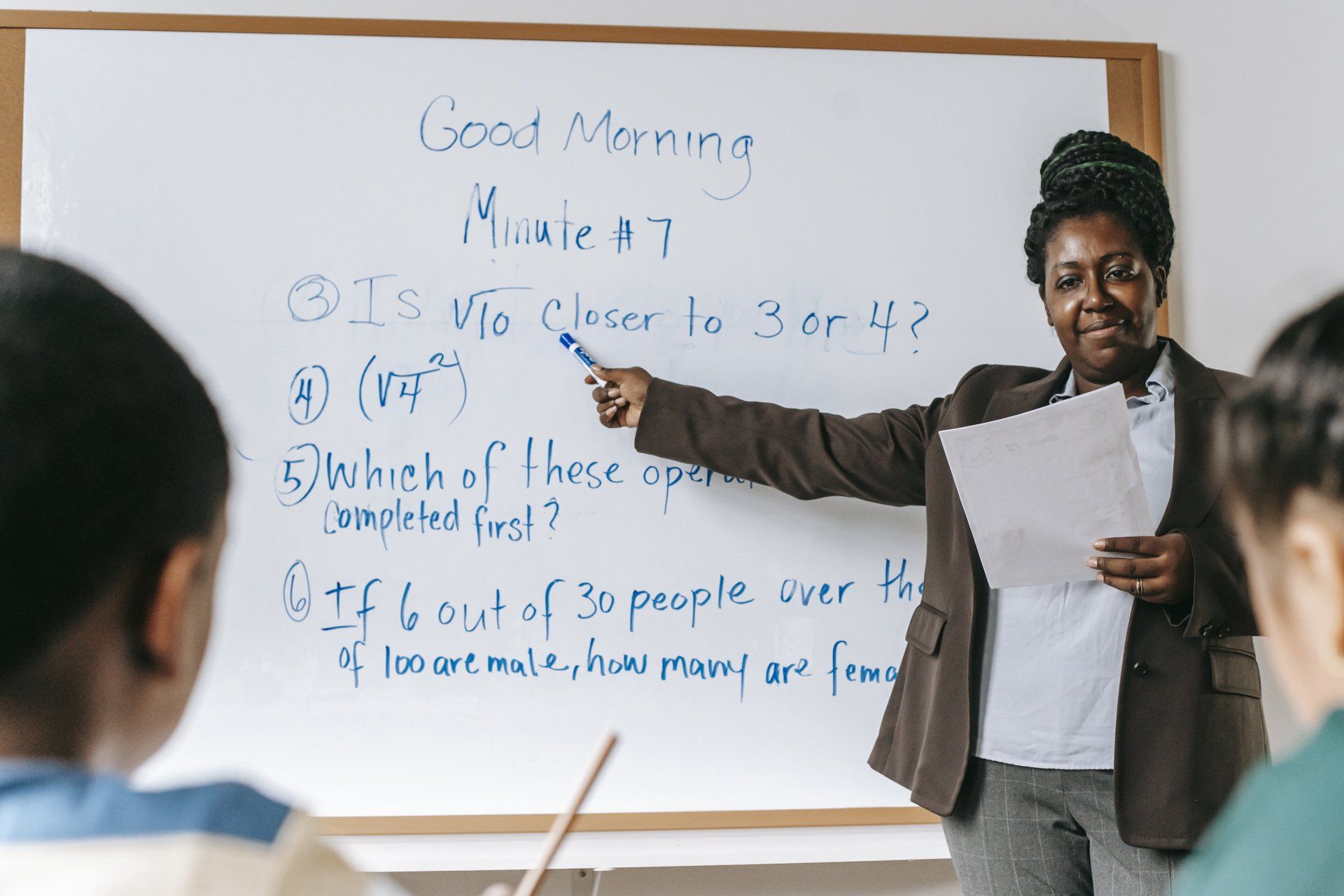
Mathematics is a subject that is often viewed as objective and neutral, but the reality is that it is shaped by cultural and social factors. One of these factors is the representation of diverse racial groups in math education and textbooks. Studies have shown that students from diverse backgrounds feel better connected and are more engaged when they are learning from a teacher or math curriculum with diverse representation.
As a result, several states across the nation are investing in hiring more diverse teachers, as well as being conscious about racial matching in classrooms. Not only this, but there is also has been a reality of the lack of diverse authors of math curriculum,
and when there is diverse representation, it provides all learners with equity and access in their math classes. In this blog, we will explore the impact of diverse racial representation in math education and textbooks on student performance.
Research has shown that the underrepresentation of diverse racial groups in math education and textbooks can have negative effects on student performance. A study conducted by the National Science Foundation (NSF) found that students from underrepresented racial groups, such as Black and Hispanic students, are less likely to pursue careers in science, technology, engineering, and mathematics (STEM) fields. Further, the same study found that women and leaders of diverse ethnicities are underrepresented in STEM fields. This is due in part to the lack of representation of diverse racial groups in STEM fields, including math education and textbooks.
One of the impacts on student achievement in a math classroom includes a students’ attitude and emotion about math.
This includes their perspectives on how they can related the taught math to their lives, and if they are motivated enough to pursue the math once convinced they can make sense of it. When students do not see themselves represented in the materials they are learning from, it can lead to feelings of disengagement and disinterest in the subject. This can have a negative impact on their motivation to learn and their overall performance in the subject. In addition, the lack of representation of diverse racial groups in math education and textbooks can perpetuate stereotypes and biases, which can further marginalize these groups and limit their opportunities for success.
On the other hand, research has also shown that the inclusion of diverse racial representation in math education and textbooks can have positive effects on student performance. A study conducted by the University of Texas at Austin found that when students were exposed to math problems that featured diverse racial groups, they performed better on those problems than when they were exposed to problems that featured only one racial group. This suggests that exposure to diverse racial representation can help to broaden students' perspectives and improve their problem-solving skills. Further, it will increase students’ confidence towards attempting math and becoming proficient in the math classroom.
In addition, the inclusion of diverse racial representation in math education and textbooks can help to promote equity and social justice in education. By providing students with a more inclusive and representative learning environment, we can help to break down barriers and create opportunities for all students to succeed. Studies have shown that some of the main factors for students being successful in a class included having a sense of belonging, when stemmed from teacher support and positive personal characteristics.
When teachers take the initiative to ensure that all learners know that they belong in the classroom, and that their culture, language and other unique traits are celebrated and protected in the classroom, it will convince students that they do belong in their class. Further, when a student of any background picks up their math book and sees their culture or ethnicity, and their teacher uses instructional delivery as an opportunity to highlight their uniqueness in a positive manner, it will cultivate hope in that learner that not only do their belong, but people from their cultural group can thrive in math, and in successful STEM careers. Having representation of diverse cultural groups cultivates the affirmation needed for every learner needing to be confident in their math identity and their ability to do math.
Conclusion
In conclusion, the representation of diverse racial groups in math education and textbooks is an important factor in promoting student performance and equity in education. When students see themselves represented in the materials they are learning from, it can help to increase their motivation and engagement in the subject. In addition, exposure to diverse racial representation can help to broaden students' perspectives and improve their problem-solving skills. Teachers and textbook publishers can help to promote diverse racial representation in math education by including diverse examples and problems in their materials, and by actively seeking out and promoting diverse perspectives in their teaching and learning practices. As educational leader strive to close the achievement gap, it is imperative that a sense of urgency is developed to be intentional behind efforts of being more diverse inclusion of cultural groups into math classrooms and curriculum across the nation.
References:
National Science Foundation. (2013). Women, minorities, and persons with disabilities in science and engineering: 2013. Retrieved from https://www.nsf.gov/statistics/wmpd/2013/pdf/nsf13304_digest.pdf
Steele, C. M., & Aronson, J. (1995). Stereotype threat and the intellectual test performance of African Americans. Journal of personality and social psychology, 69(5), 797–811. https://doi.org/10.1037/0022-3514.69.5.797
Wang, M. T., & Degol, J. L. (2017). School climate: A review of the construct, measurement, and impact on student outcomes. Educational Psychology Review, 29(3), 315–352. https://doi.org/10.1007/s10648-016-9389-8
Wright, R. J., & Okamoto, D. G. (2014). Multicultural education and mathematics: Increasing cultural awareness and mathematical performance. Journal of Education and Learning, 3(2), 1–14. https://doi.org/10.5539/jel.v3n2p1
When Real Work Begins, Grit is Here!
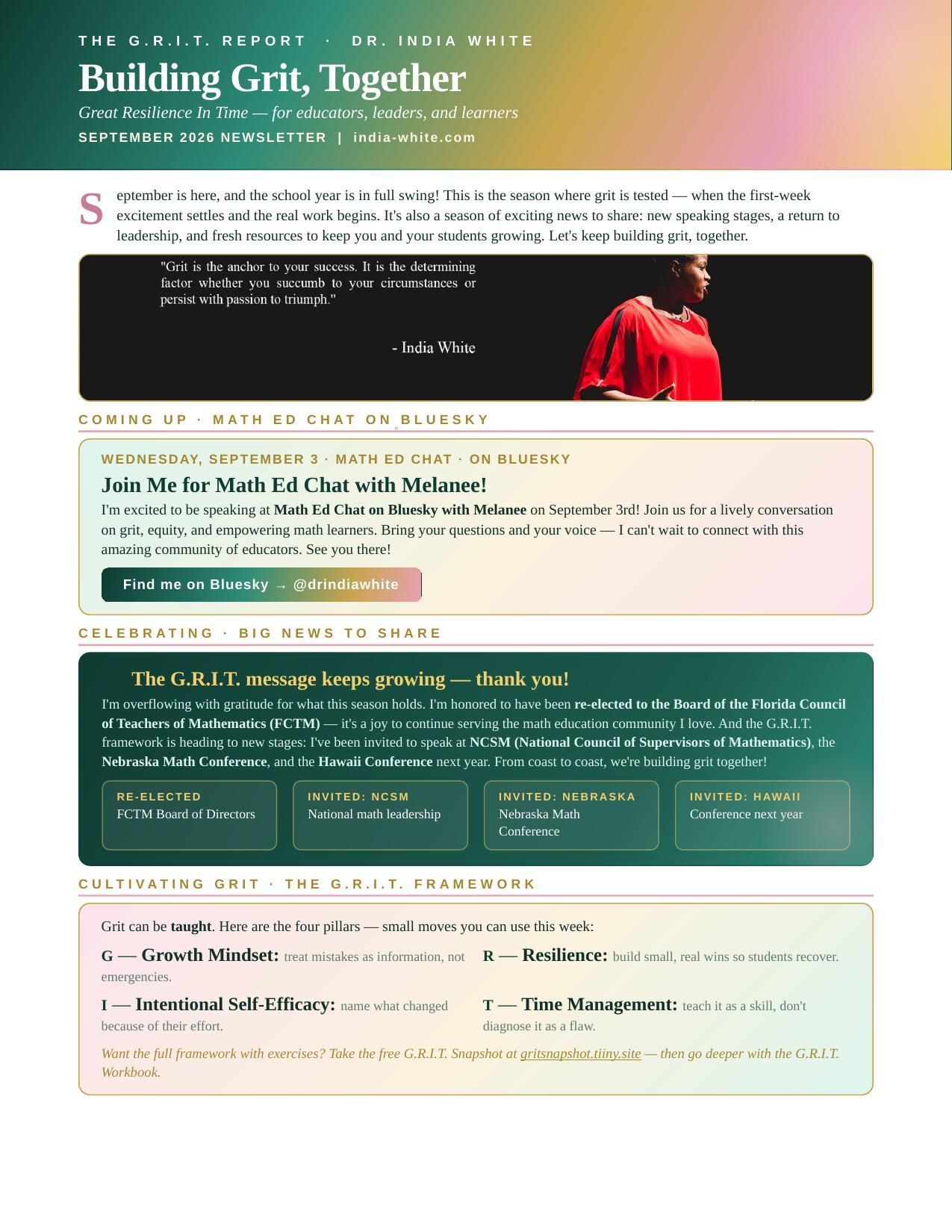
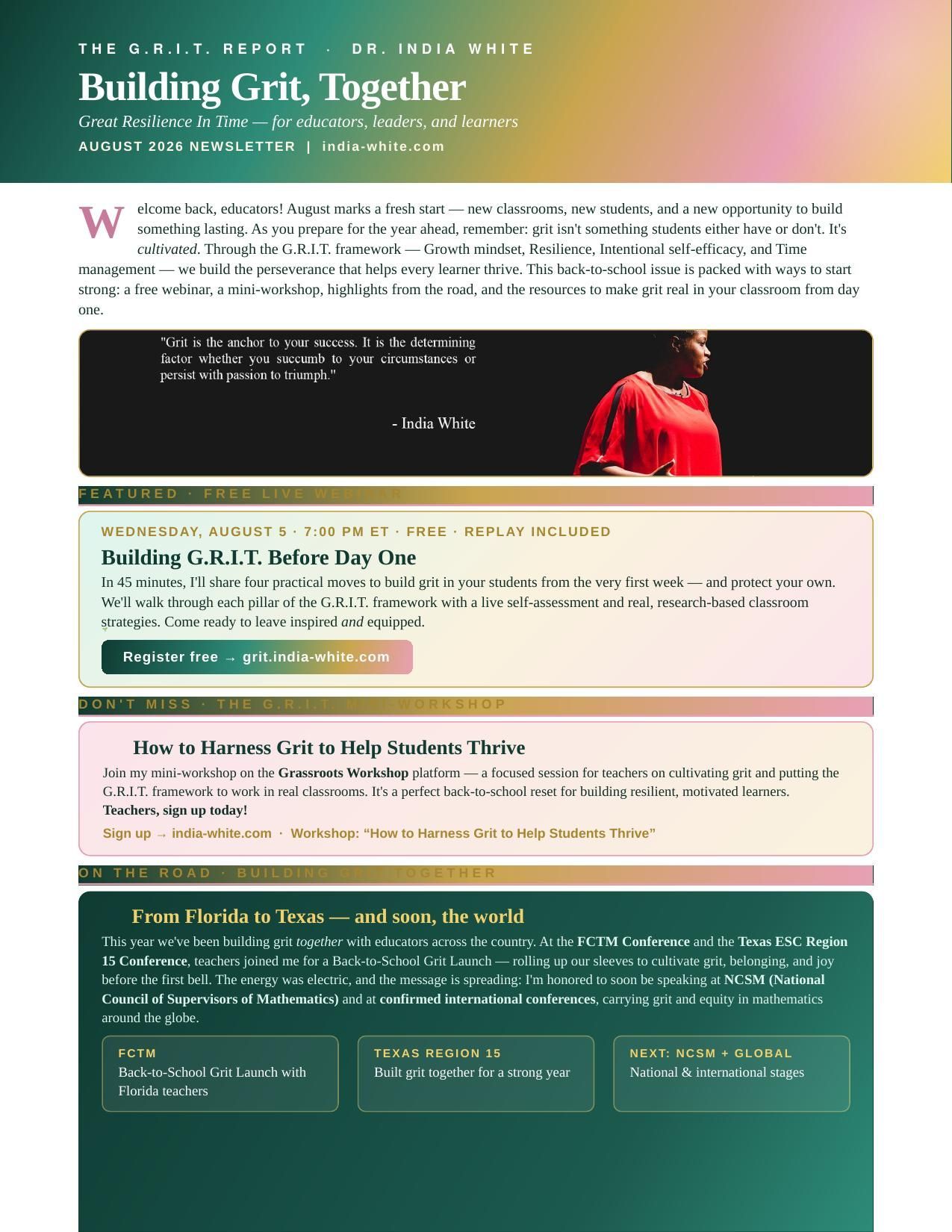
My September G.R.I.T. Report is Here!
The G.R.I.T. Report!

The G.R.I.T. Webinar was Awesome!

G.R.I.T. Academy- Now Open!
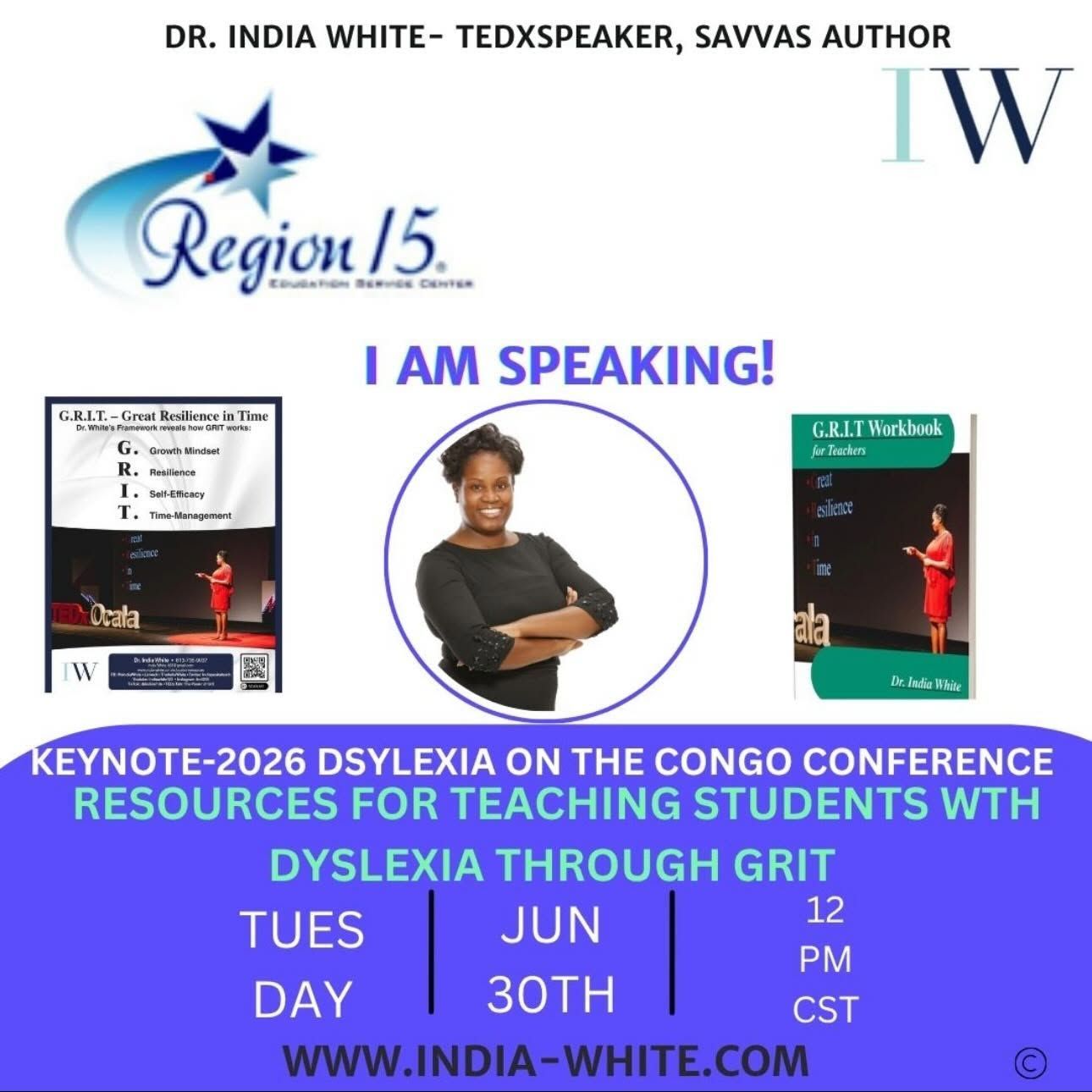
Grateful for Lunch Keynote!

Check out my NEW Grit Life Coaching Workbook!
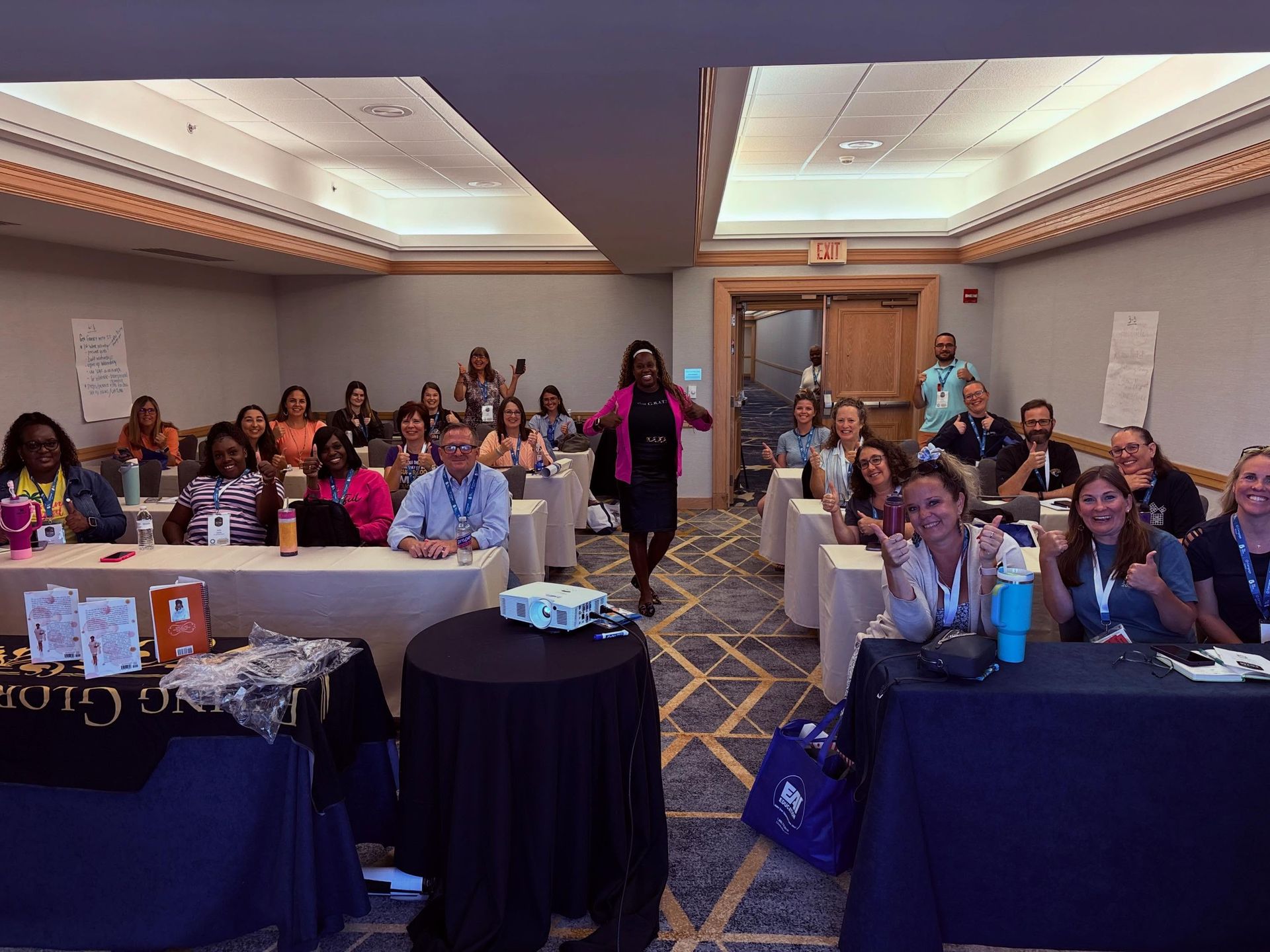
Grateful for GRIT Games!
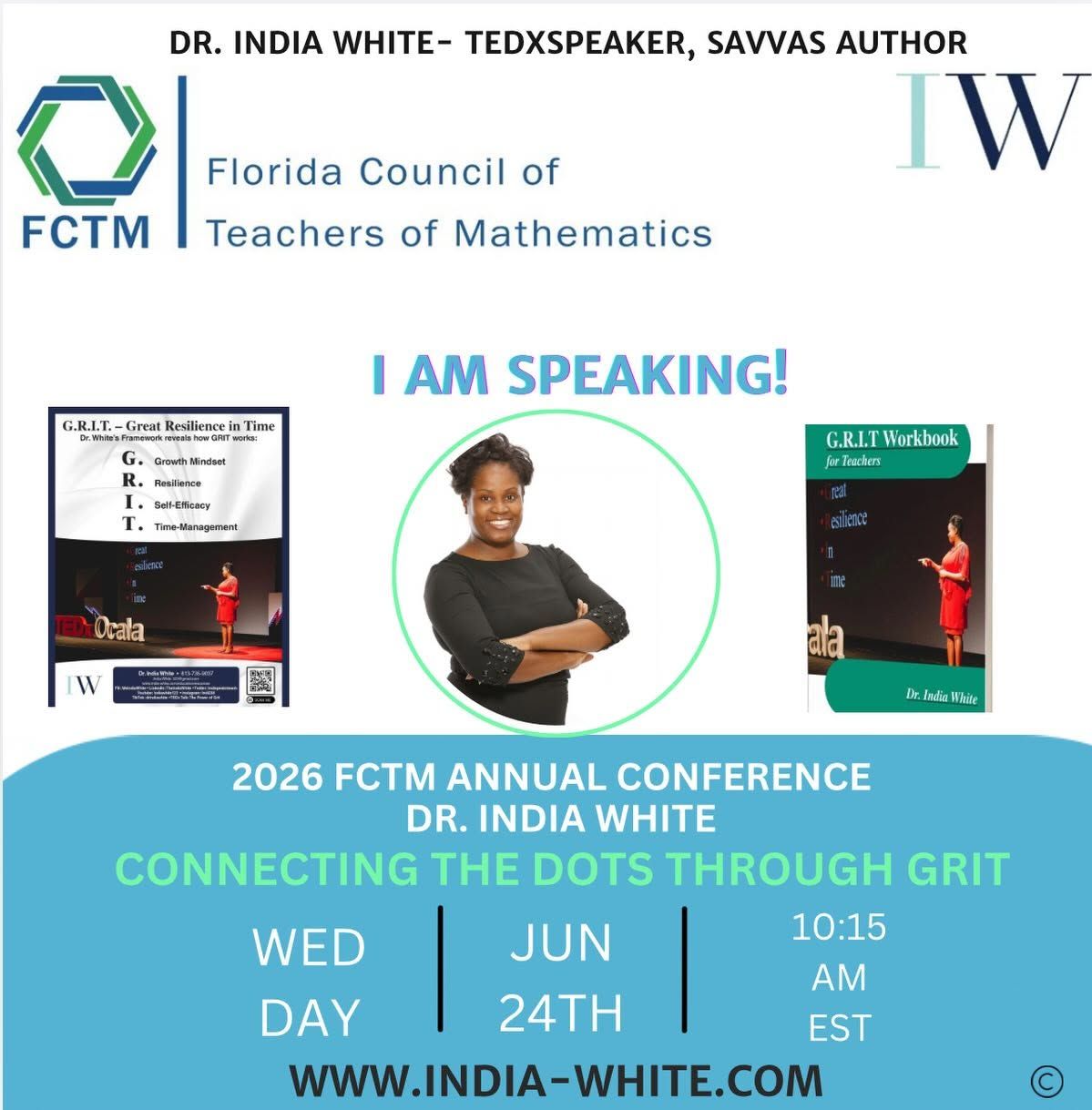
Excited to Speak at FCTM!!
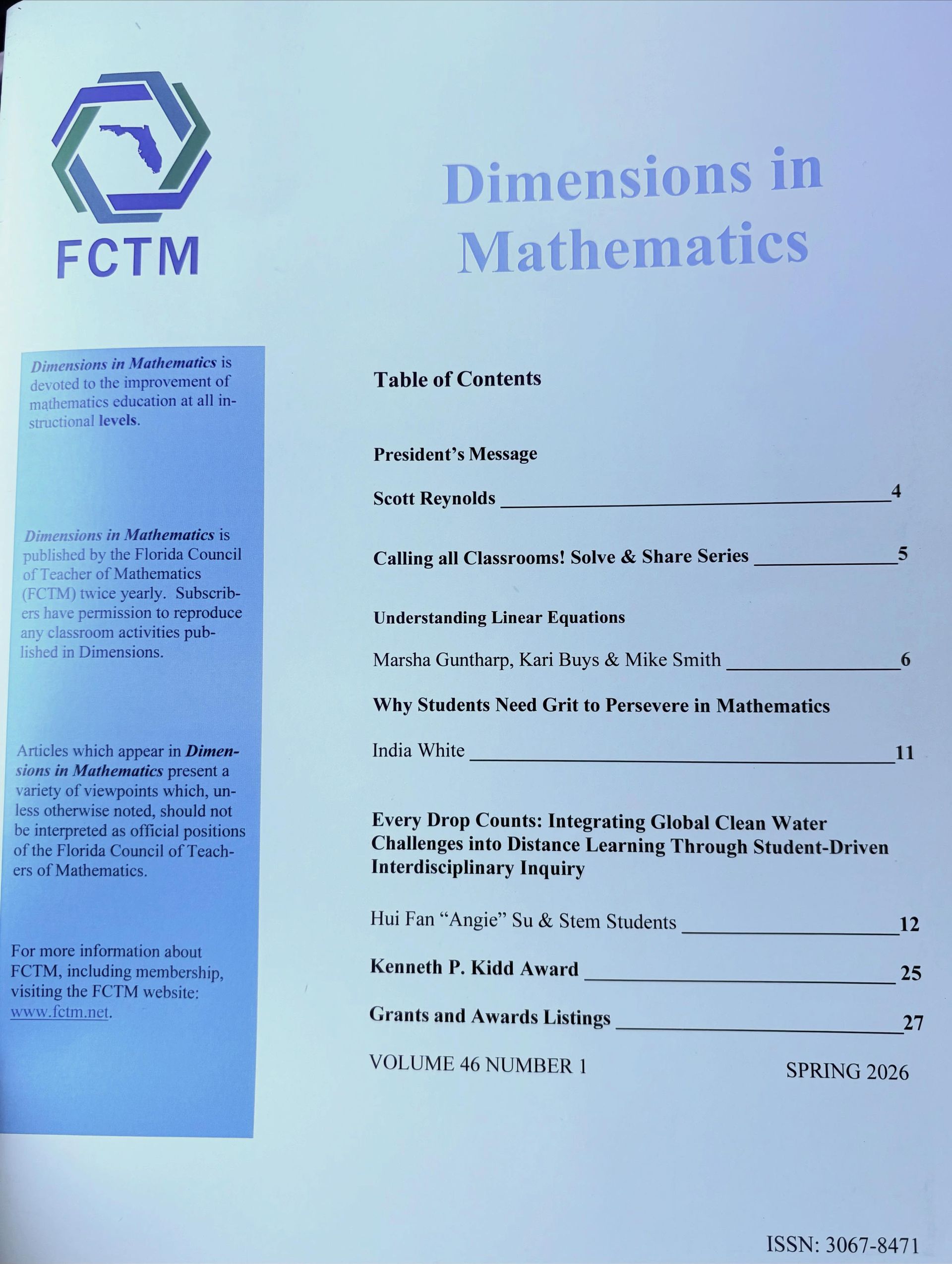
Grateful for the FCTM Dimensions Feature!